Schola · The Living Score
Watch the chant as it was written
Square notes on the four-line staff of the medieval chant books. Press play — each note takes the light as it is sung.
Salve Regina · simple tone · the opening phrase
Gregorian chant and sacred music for prayer, rest, and adoration — free, and always.
The Sanctuary
Deus Magnus Est — "God is great." Sacred Latin plainchant raised to the glory of God: the Kyrie eleison, the Media Vita, the great hymns and litanies of the Church — gathered into one unbroken stream of adoration. Let the chant fill the silence.
What lives here
Square notes on the four-line staff of the medieval chant books. Press play — each note takes the light as it is sung.
The hour now kept
Hora
Ordinary Time
The rack stands dark. Be the first light.
The tradition, the chants, a way of prayer, and questions answered.
Eleven chapters in a cathedral of light, built in real time — the whole sanctuary as one story.
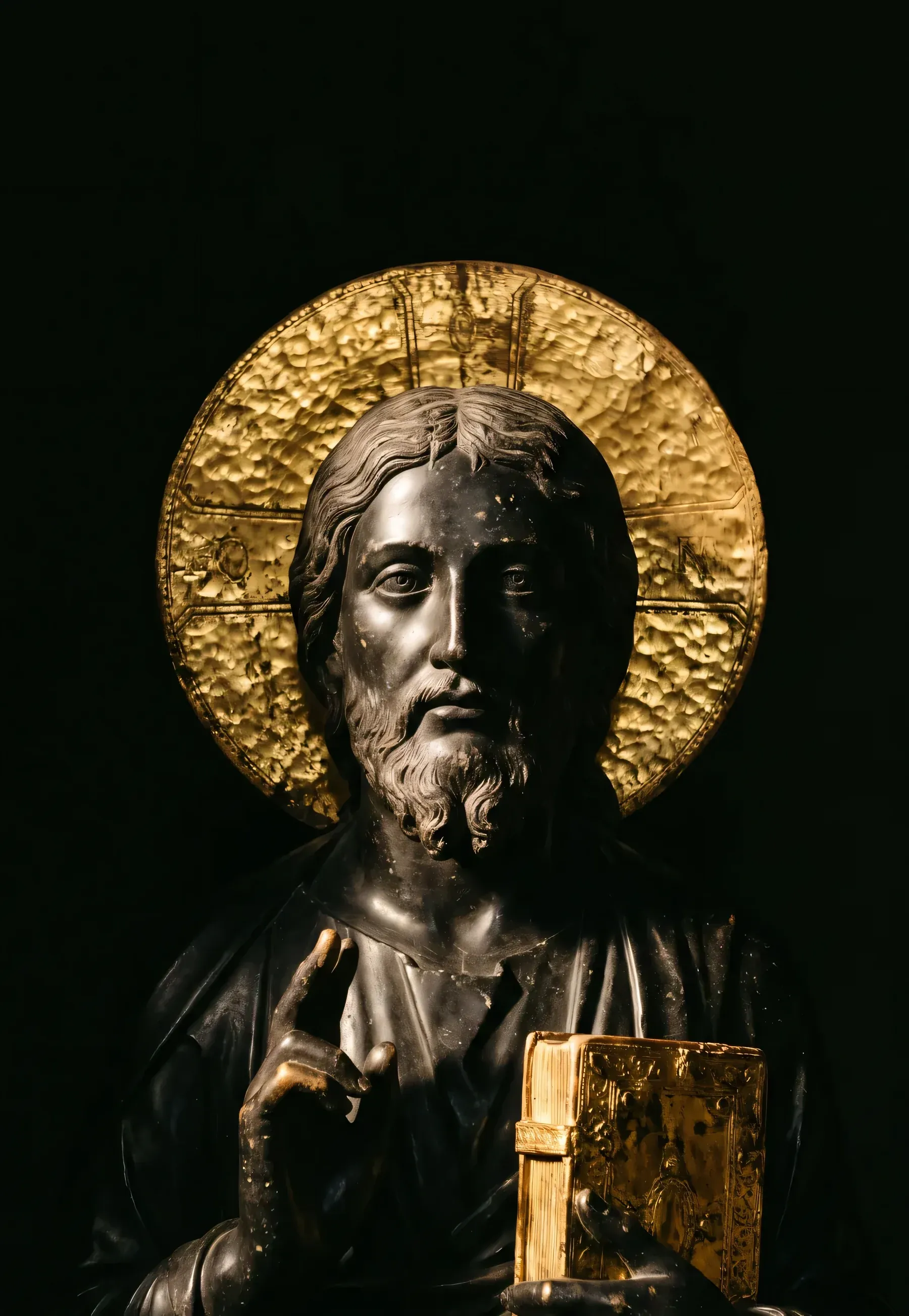
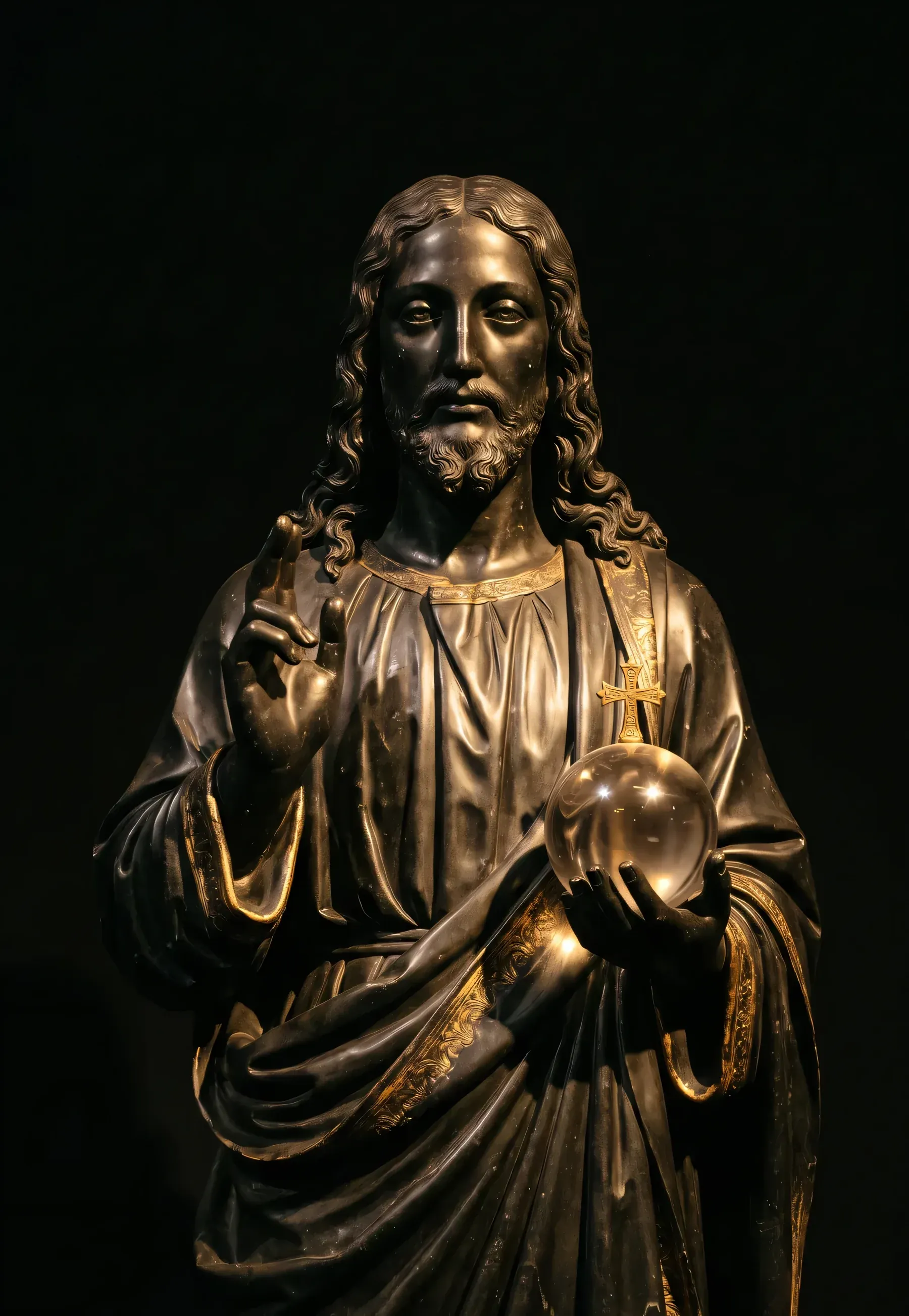
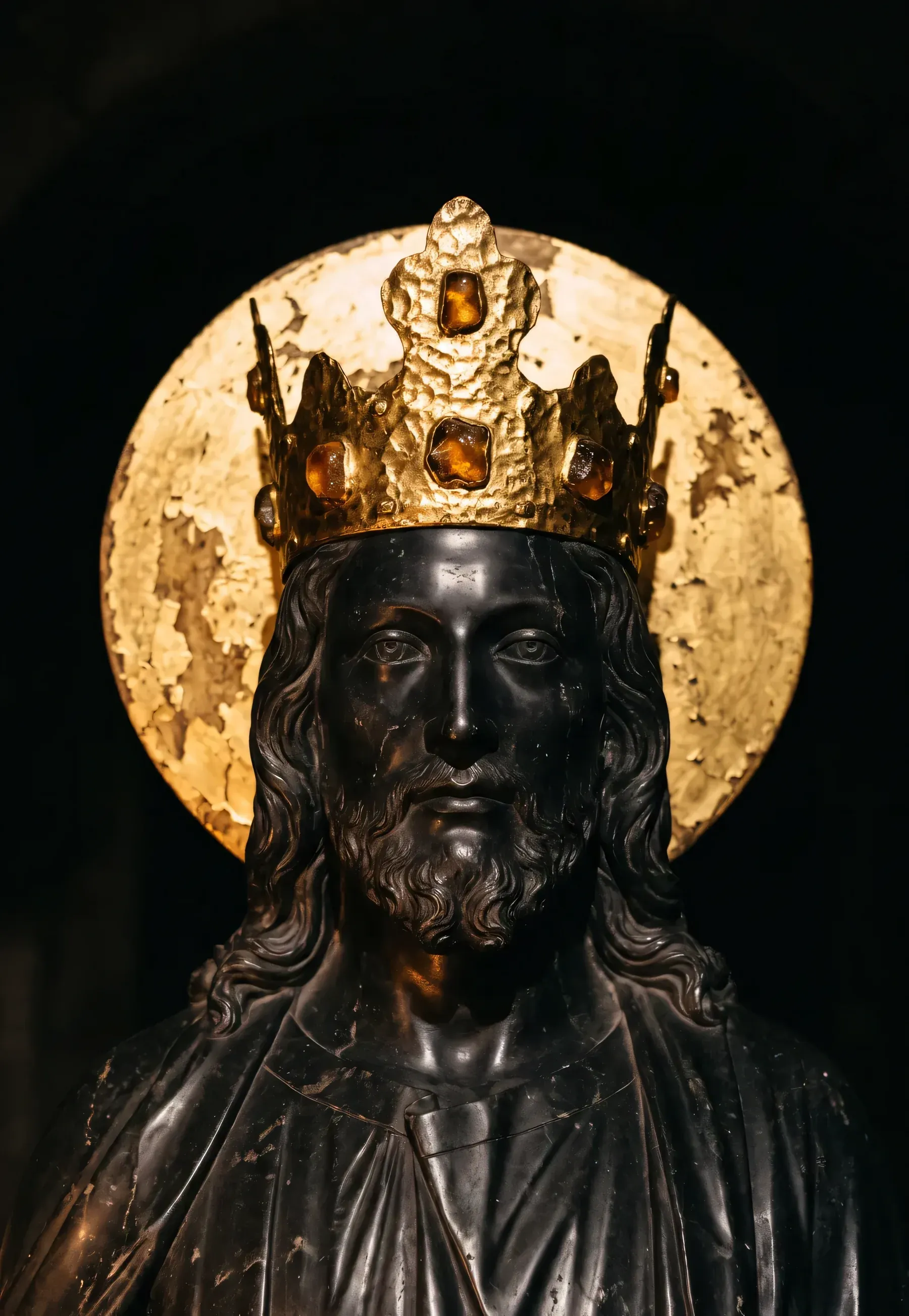
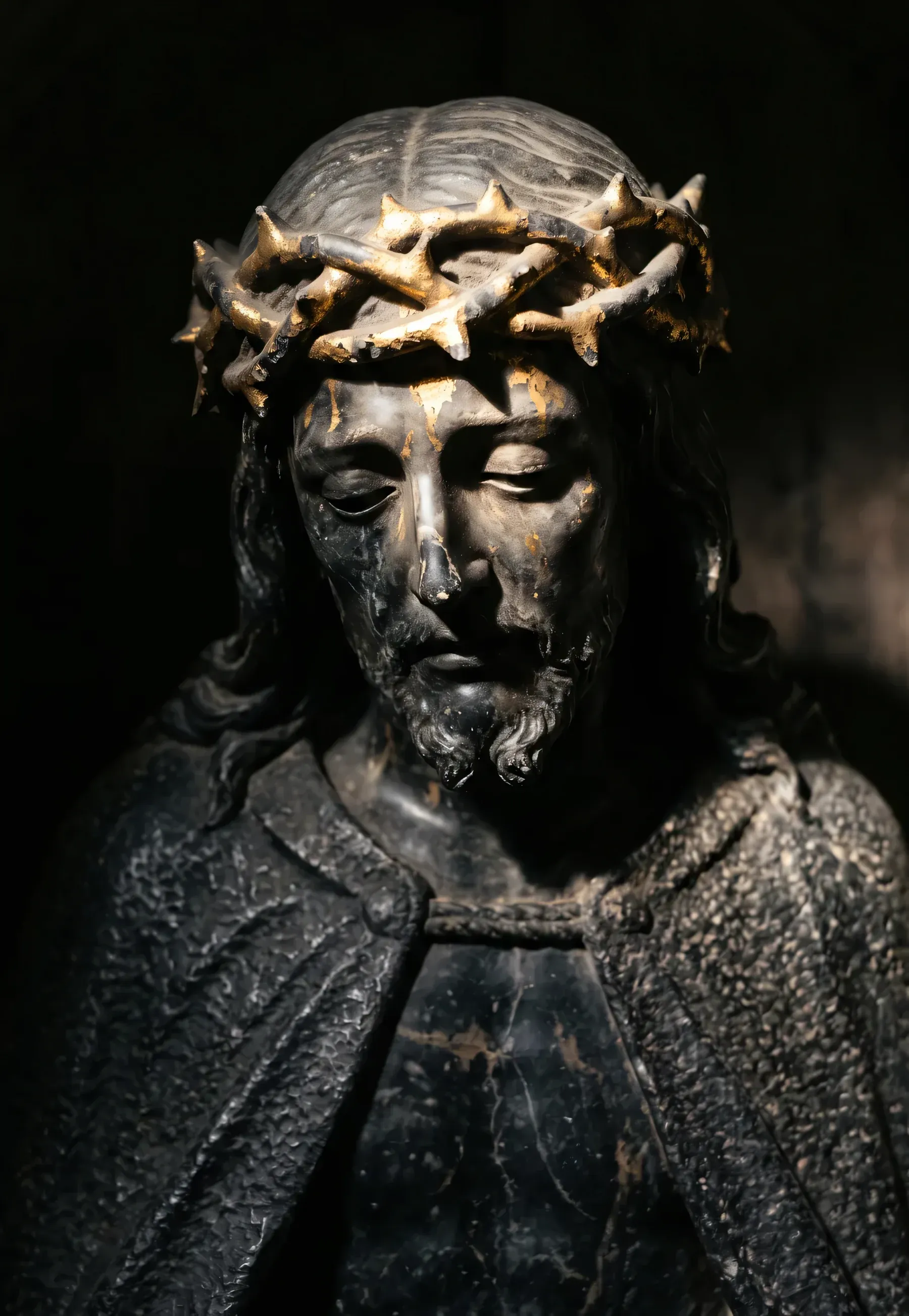
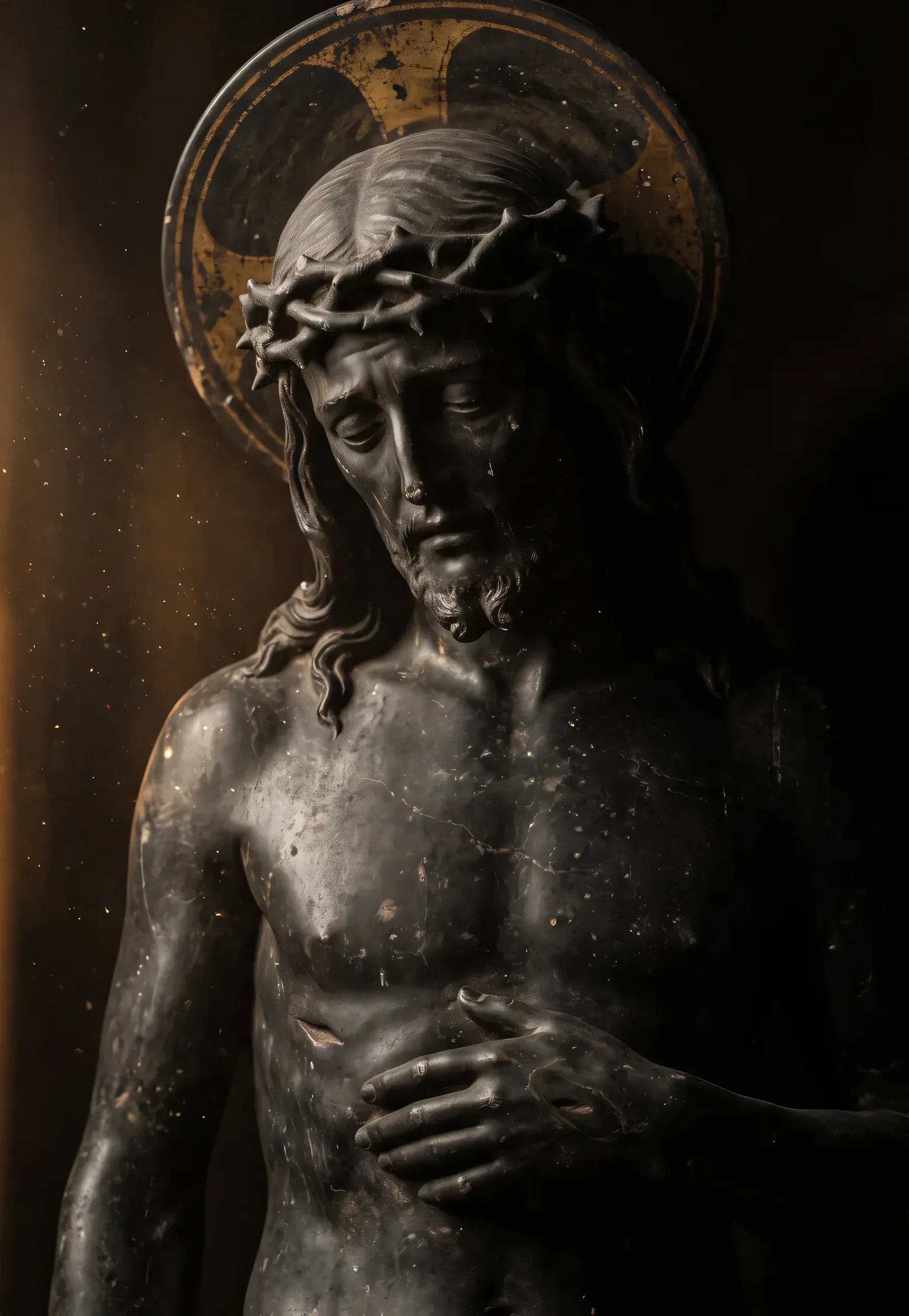
Five images wait in the dark of the apse until your light finds them.
The Repertoire
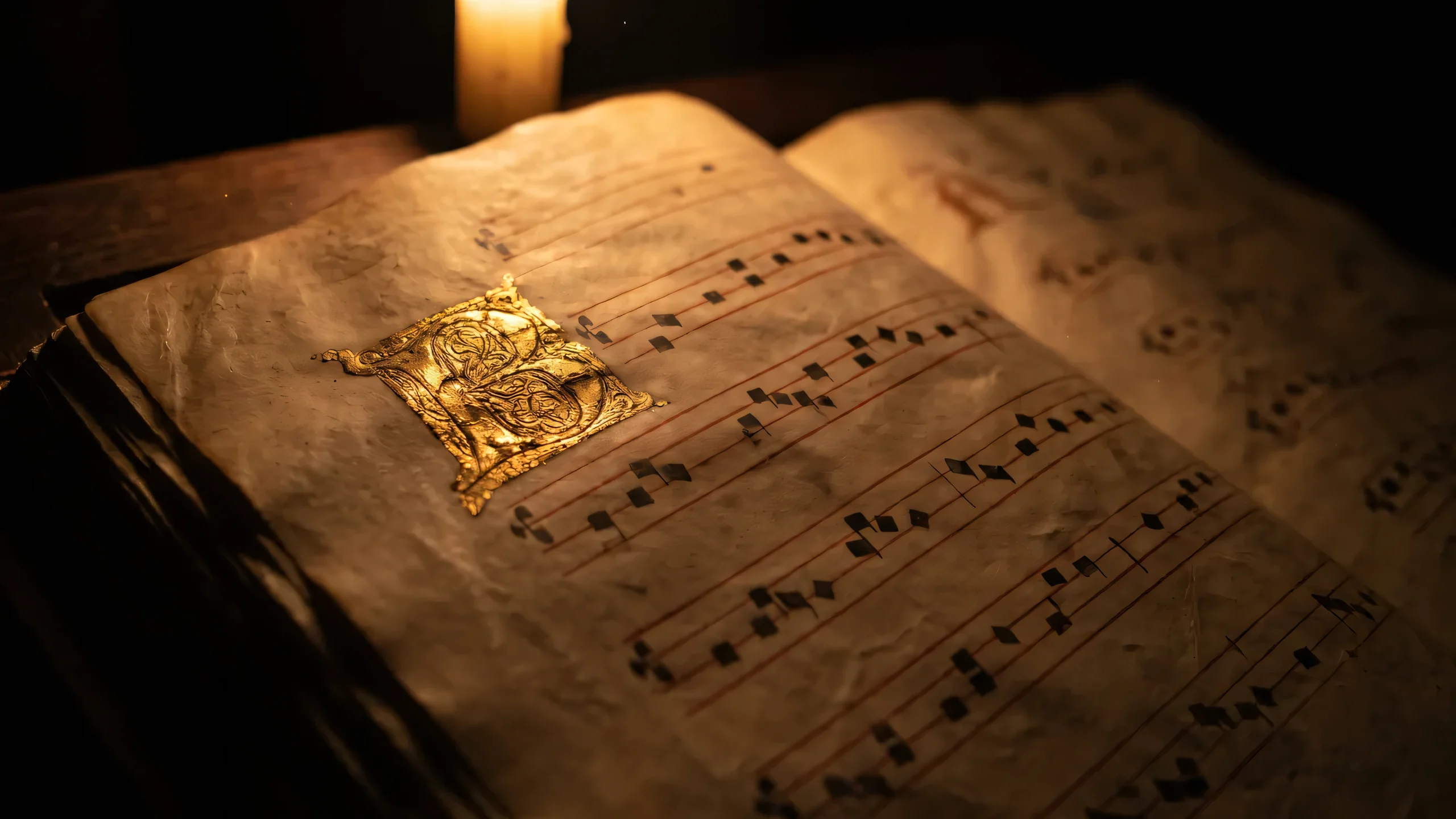
The complete collection — Latin plainchant, Kyrie and litany, hymn and antiphon, in the Church’s own unbroken tradition.
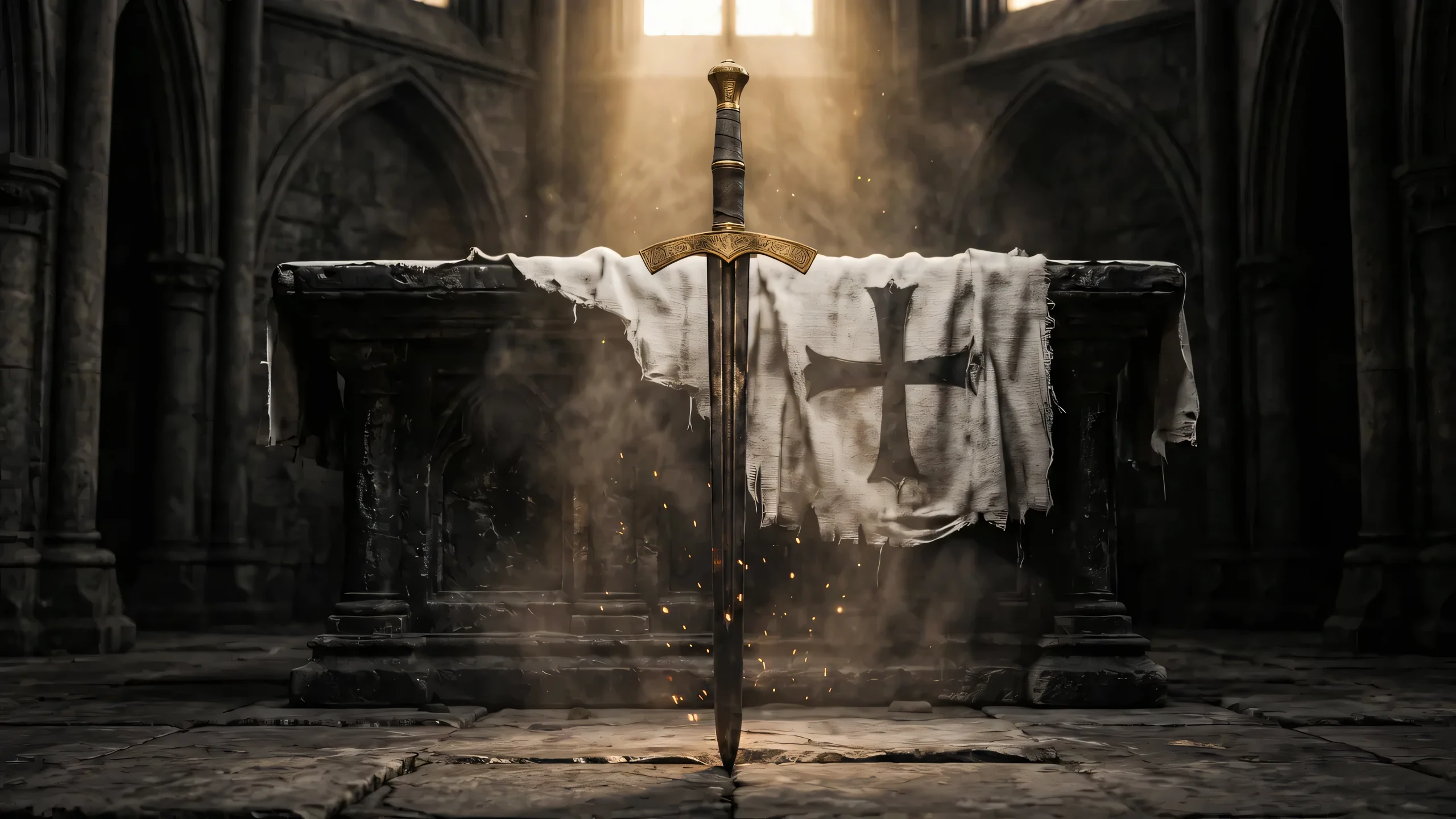
Sacred prayer raised on soaring orchestral arrangement — for the hours that ask for fire rather than silence.
The oldest cry of the Mass, kept in its original Greek amid the Latin.
The Mass Media Vita"In the midst of life we are in death"A solemn medieval antiphon that looks mortality full in the face.
Lent Veni Creator Spiritus"Come, Creator Spirit"The great hymn of invocation, sung at Pentecost and at every beginning.
Pentecost Salve Regina"Hail, Holy Queen"The Marian antiphon that closes the day at Compline in its season.
Compline Dies Iræ"Day of Wrath"The sequence of the Last Judgment, trembling and immense.
Requiem Rorate Caeli"Drop down dew, ye heavens"The Advent longing in a single cry from Isaiah.
Advent Puer Natus Est"A Child is born to us"The Introit of Christmas Day, the joy held in restraint.
Christmas Attende Domine"Hearken, O Lord"The Lenten plea for mercy and its humbled refrain.
Lent Pange Lingua"Sing, my tongue"St. Thomas Aquinas's hymn to the mystery of the Body of Christ.
Corpus Christi Regina Caeli"Queen of Heaven, rejoice"The Easter antiphon, each line ending in Alleluia.
Eastertide Veni Sancte Spiritus"Come, Holy Spirit"The Golden Sequence — a litany of the Spirit's gifts.
Pentecost Adoro Te Devote"I devoutly adore Thee"Traditionally St Thomas Aquinas’s: before the Blessed Sacrament, faith alone holds.
Adoration Ave Verum Corpus"Hail, true Body"A brief medieval hymn to the Body offered on the Cross.
Adoration Ave Maris Stella"Hail, Star of the Sea"The ancient Vespers hymn to Mary, the star that steers home.
Our Lady Te Deum"We praise Thee, O God"The Church's great hymn of thanksgiving.
ThanksgivingMirabilia Dei
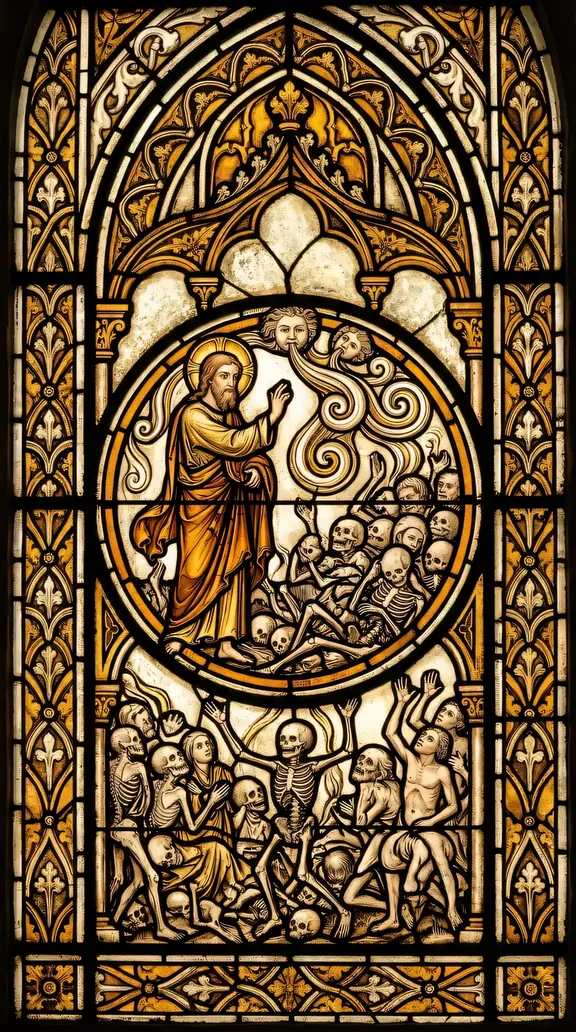
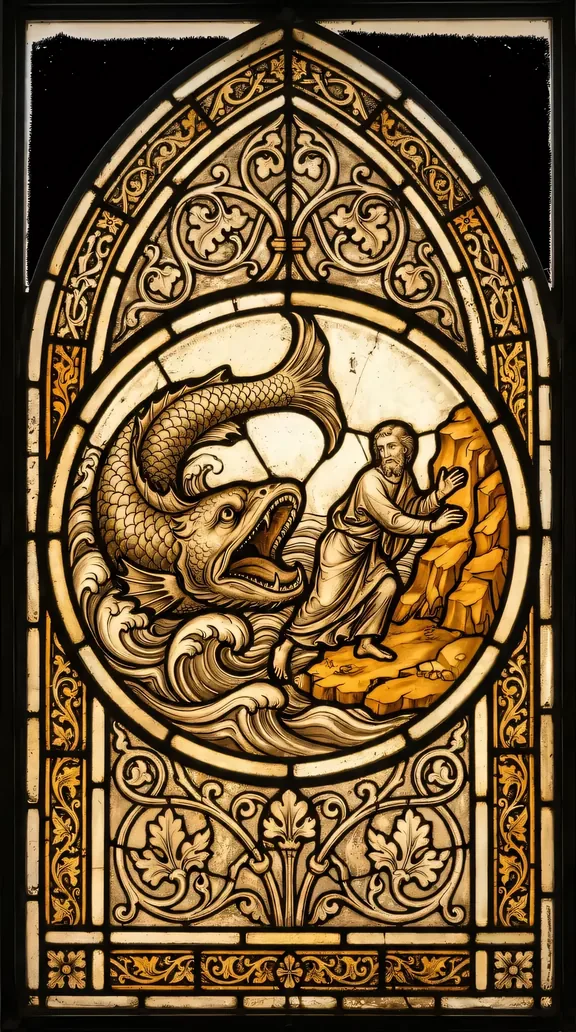
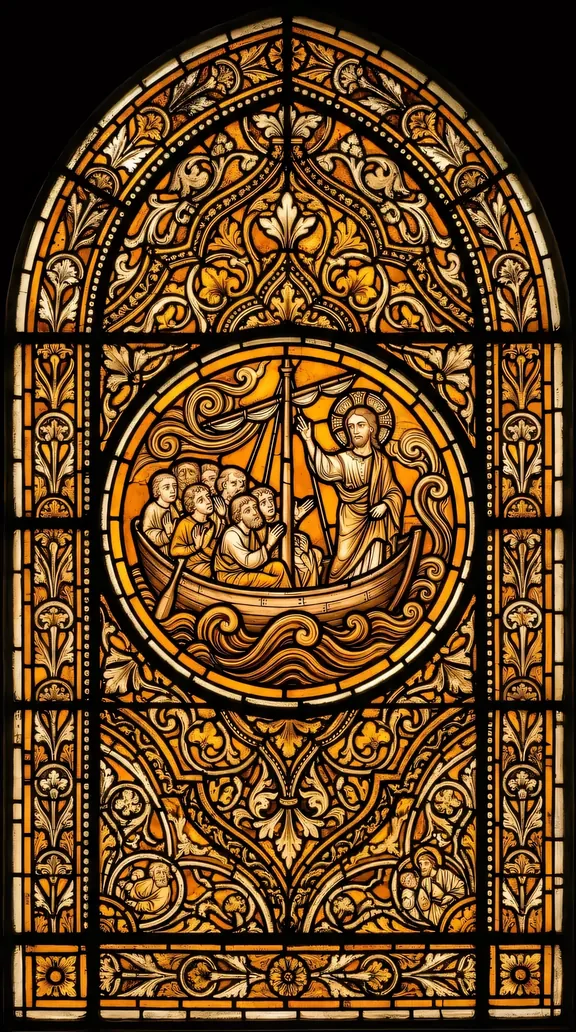
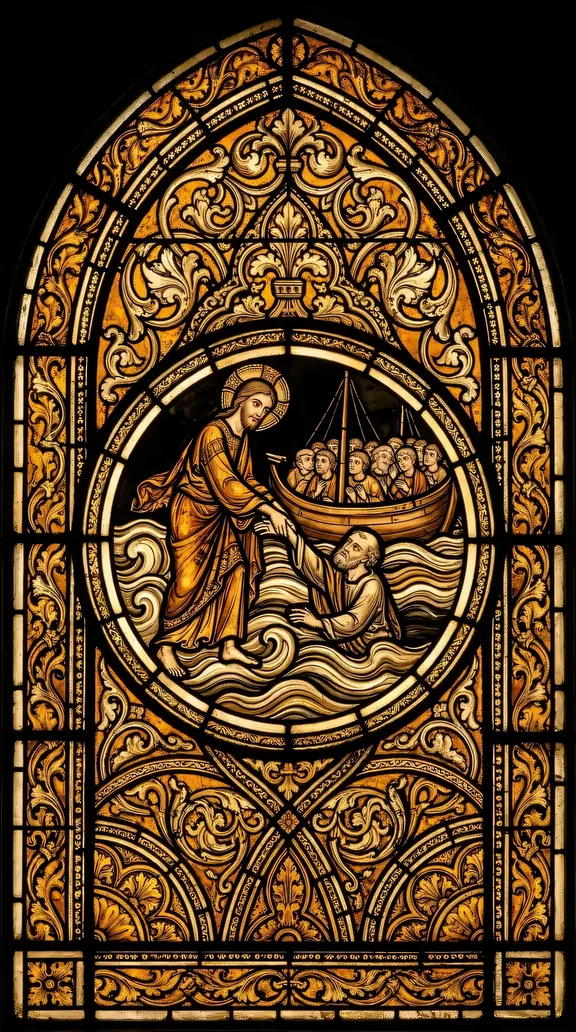
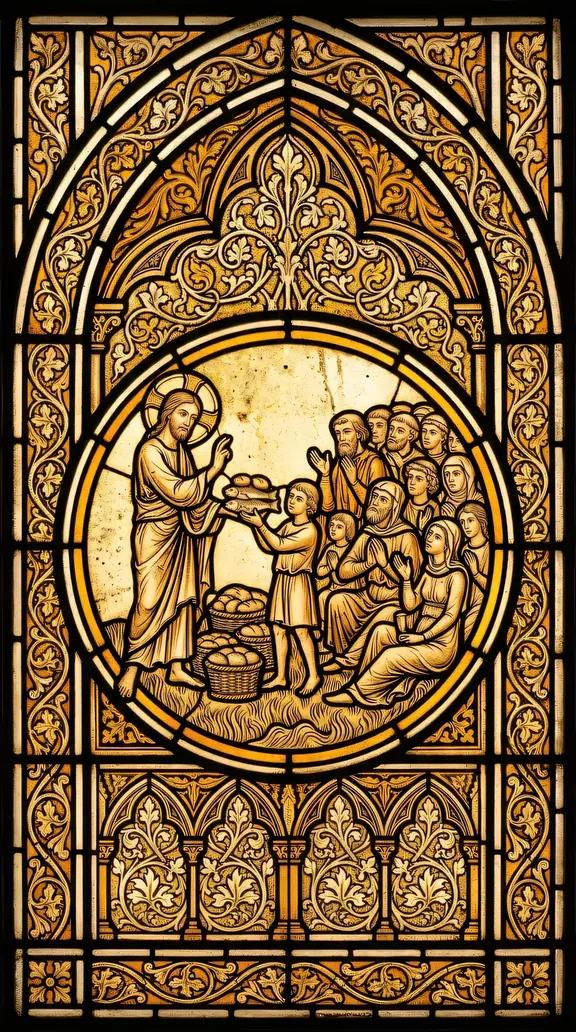
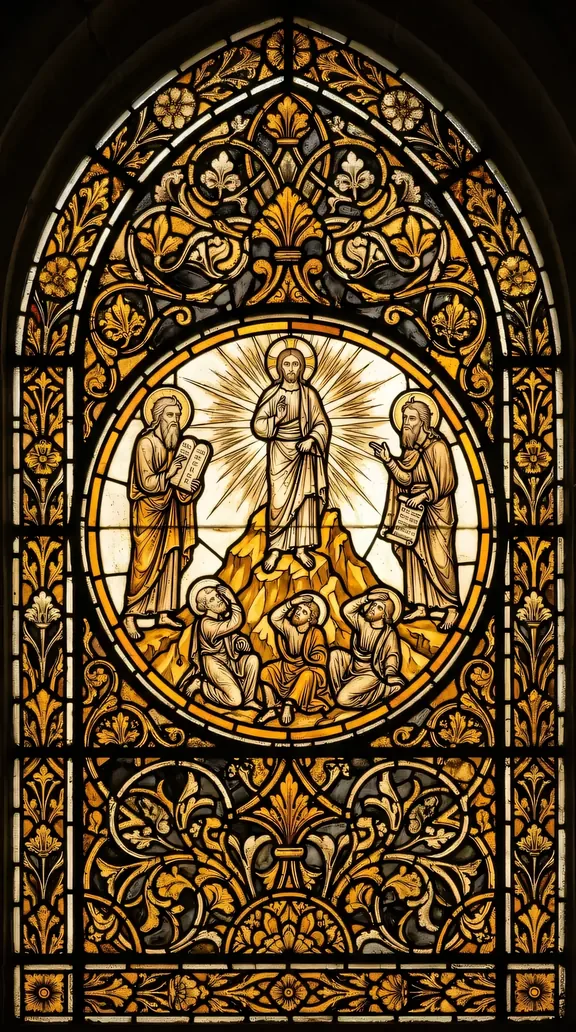
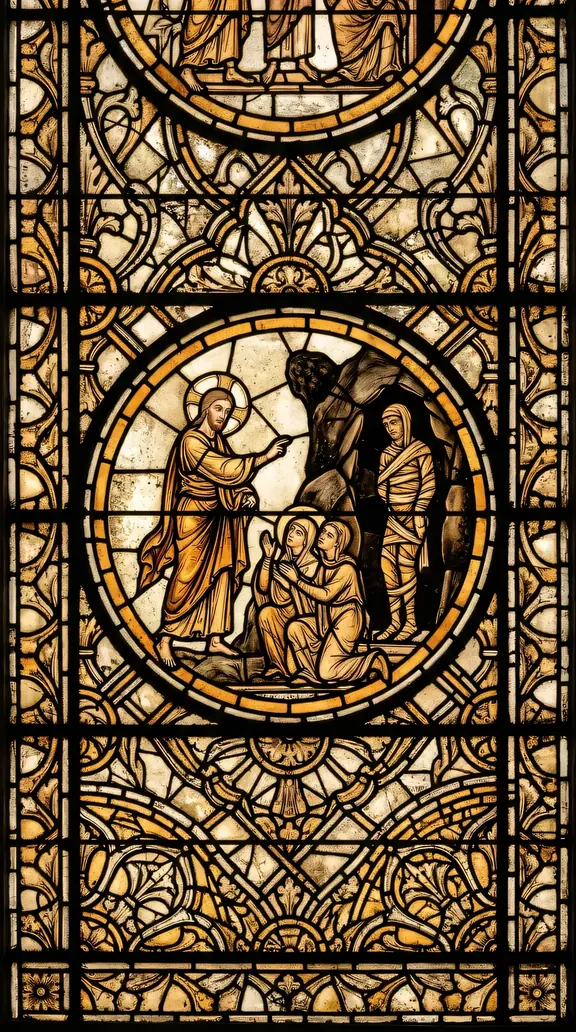
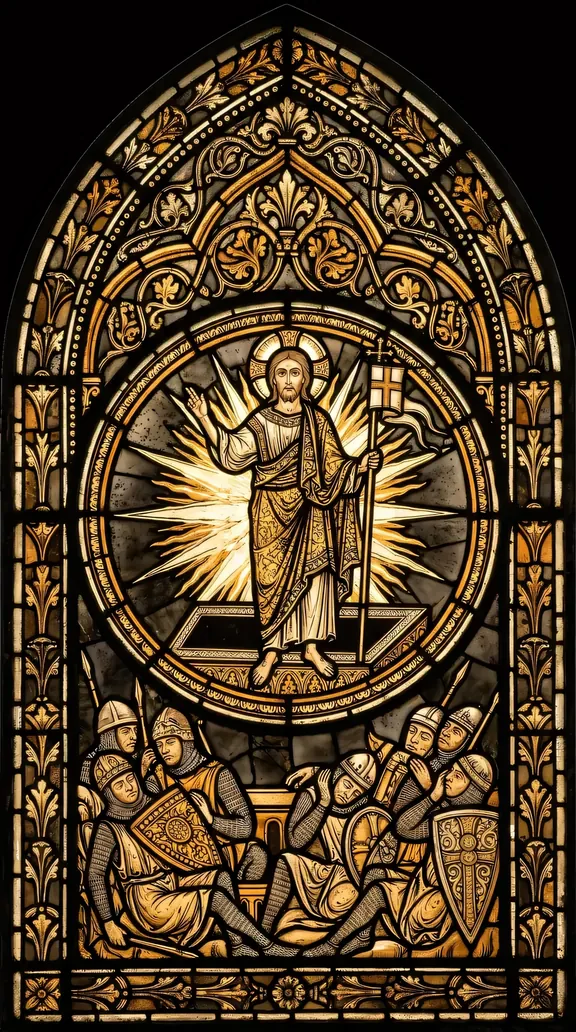
Seventeen mighty works — from the first word over the waters to the city that comes down from heaven — each told as a story in five scenes.
 I
 II
 III
 IV
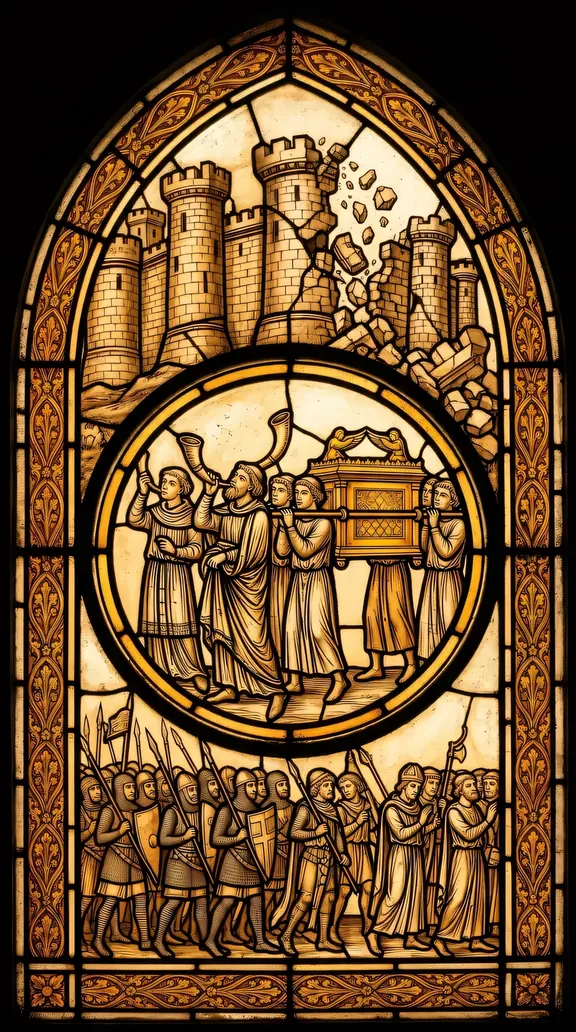 V
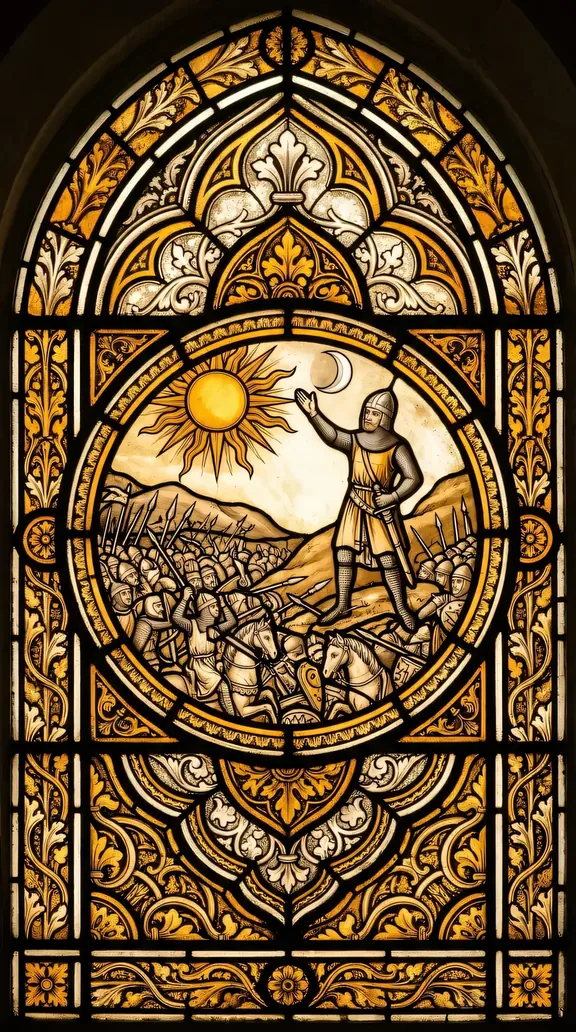 VI
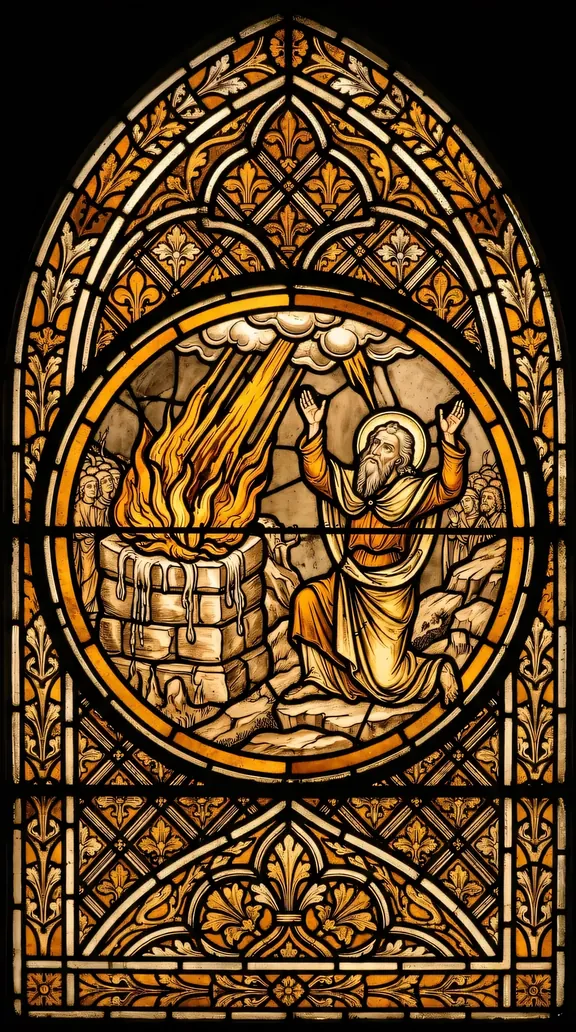 VII
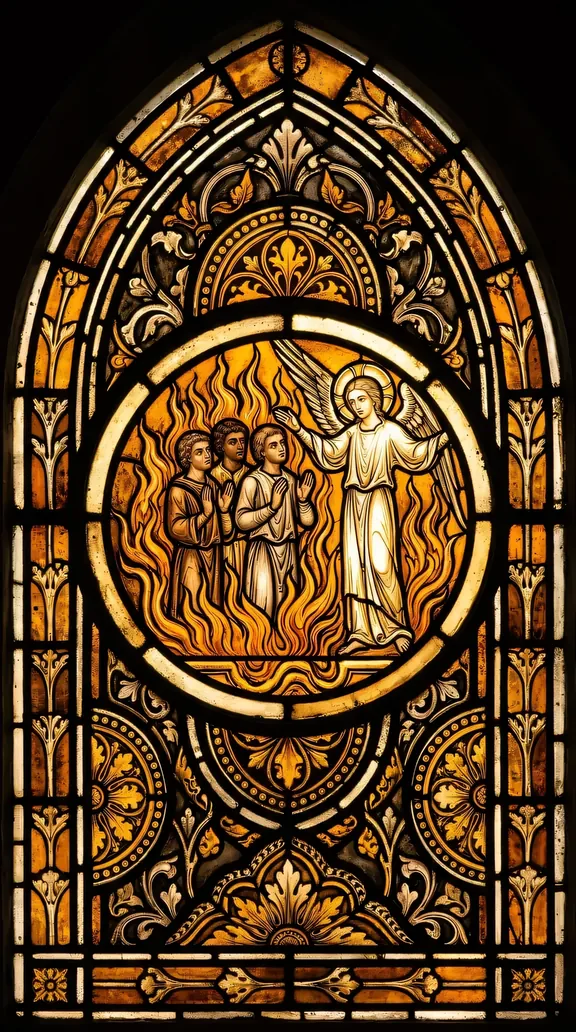 VIII
 IX
 X
 XI
 XII
 XIII
 XIV
 XV
 XVI
 XVII
On His Greatness
Before the mountains were brought forth, before the void itself was given a name, He is.
He does not grow old with the centuries. A thousand years in His sight are as the watch of a single night.
Holy, holy, holy. We do not summon Him. We are the ones who are summoned.
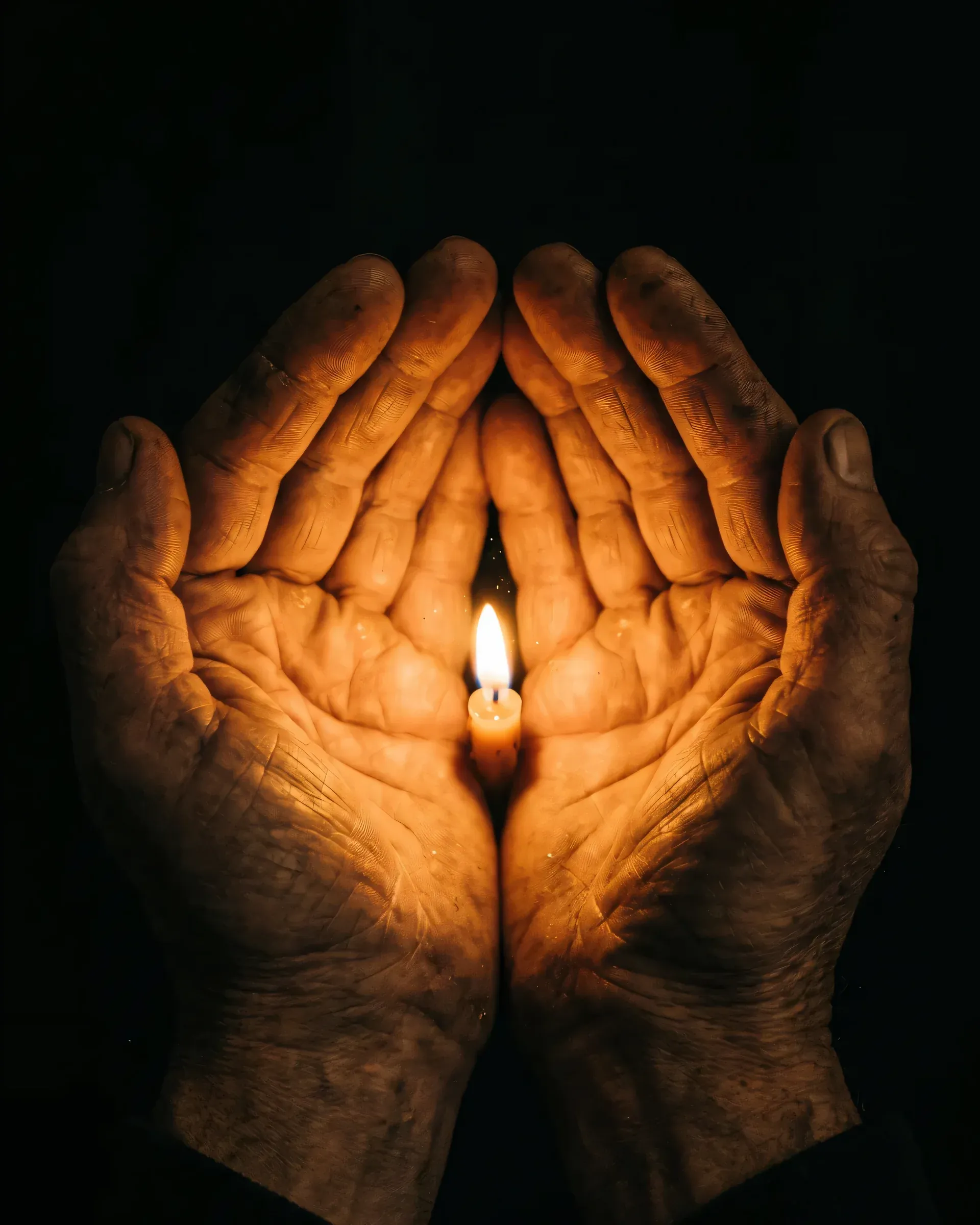
He who holds the stars in their courses bends down to the dust of a single soul.
Fiat Lux
A cathedral built in light: the hours, the chant, the meditations, the Holy Face, the wonders and the altar — walked chapter by chapter.
Enter the NaveQuaestiones
What newcomers ask most. The full readings live in the Codex inside the nave.
It is Latin for "God is great" — a confession of the greatness and omnipotence of God, and the heart of this site.
Yes. Gregorian chant is the traditional sacred music of the Roman Catholic Church, sung in Latin and named for Pope St. Gregory the Great.
Prayer, adoration, the Mass and Divine Office, meditation, study, and quiet rest. Many listen to pray, to focus, or to fall asleep in peace.
Latin plainchant in the tradition of the Church — the Kyrie, the Media Vita, hymns and litanies — sung as one unaccompanied line, in the austere manner of the medieval monasteries.
Yes. Every chant streams here and on the channel at no cost.
No. The chant was made to carry prayer, not to test scholarship. Listen first and let the sound do its work; the English stands beside the Latin whenever you want it.
Pope from 590 to 604 and a Doctor of the Church. Tradition credits him with gathering and ordering the chant; historians place the repertoire we now call Gregorian chiefly in the Frankish lands of the eighth and ninth centuries, where Roman chant was received and set down.
The chant is the Church's own liturgical song: one unaccompanied line in Latin. The anthems are modern orchestral and cinematic arrangements of sacred prayer, made for devotion rather than for the liturgy itself.
Traditionally at Compline, from Trinity Sunday until Advent. Through the rest of the year three other Marian antiphons take its place: Alma Redemptoris Mater, Ave Regina Caelorum, and Regina Caeli.